
Three months and ten countries into full-time family travel, Ben and Claire look back at a pattern that’s shown up again and again: strangers stepping in, exactly when it mattered, and it working out fine.
Before we left the UK, one of the quiet worries sitting under all the practical ones was about people. Would we know who to trust? Would we end up relying on strangers in ways that felt risky, especially with two young children along for it? Three months in, the honest answer has turned out to be the opposite of what we expected. Some of the best moments of this whole trip have come directly from people we’d never met before, stepping in at exactly the right time.
The car we bought from someone we’d only just met
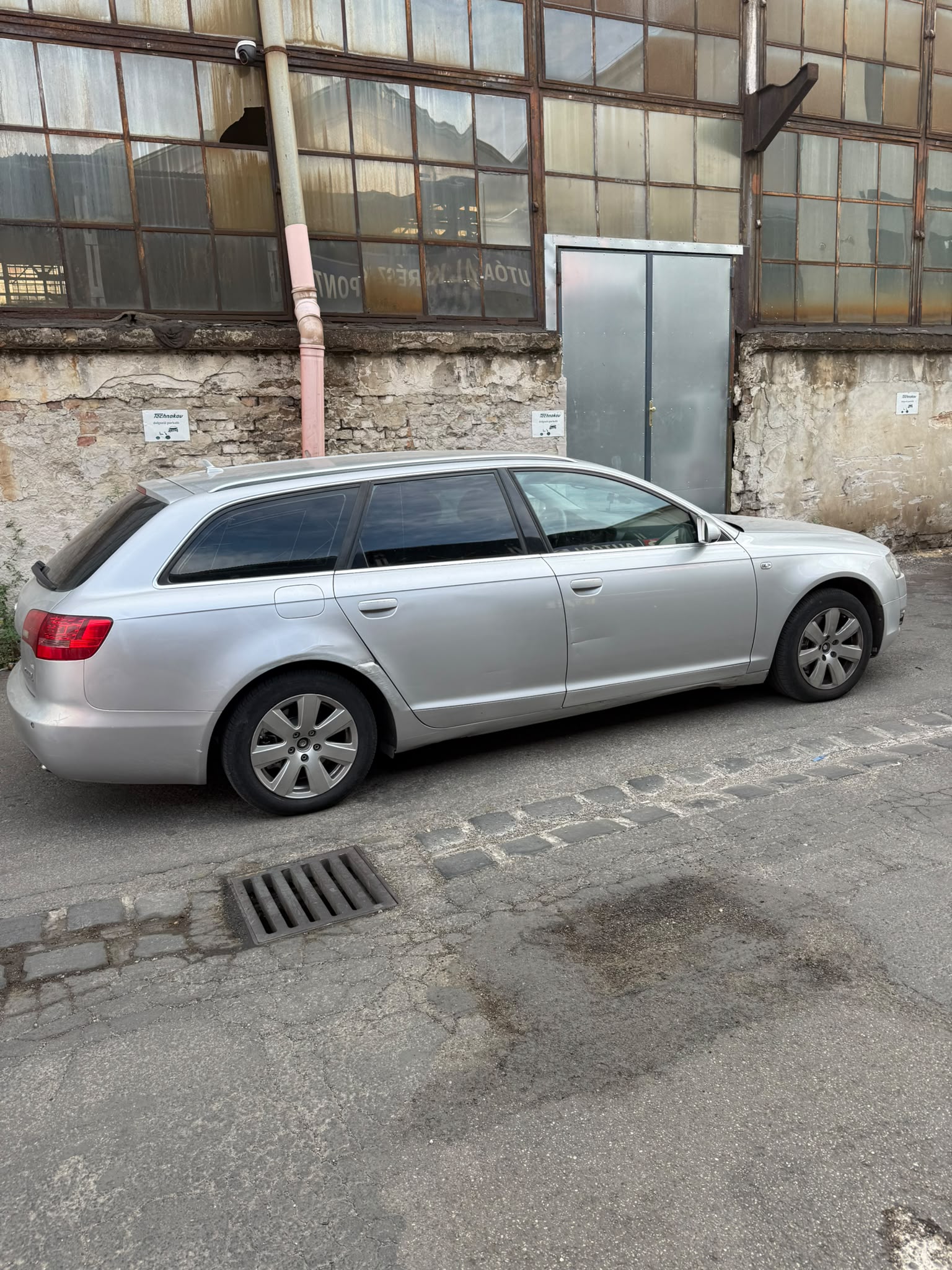
In Albania, we decided to buy a car rather than fly onward, and did it through a local contact who helped source one, negotiated €500 off the price, and sorted the insurance, green card, MOT and service. Because we had no Albanian residency, the car had to be registered in his name rather than ours. When we mentioned this online, people warned us it sounded like a scam, one person called us “a mug” for trusting it. He also lent us his own car to get to Montenegro while ours wasn’t quite ready, then brought ours over and took his back.
It worked out completely fine. That car is still with us months later, still getting us around Europe, and we’re now the ones considering flying him out to collect it, or simply gifting it to him, once we’re done with it.
The host behind the metal door
Our first look at our Mostar accommodation nearly sent us straight back to the car. A run-down street, graffiti, a windowless metal shutter door with no way to see what was behind it. When our host finally opened it, we found a spotless, welcoming apartment, snacks and drinks already laid out for our arrival, and a host who couldn’t have been more accommodating for £89 across two nights.
The shop owner who shared her phone
Later in Bosnia, we followed a recommendation from that same host to a lake we never actually reached. No phone signal anywhere in the country meant our pre-loaded route sent us over an hour off course, into an industrial area full of lorries with nothing around. A small local shop was the only thing we found. The owner let us tether her phone’s internet so we could work out where we actually were, no hesitation, no charge, just help.
The guide who let our children take the wheel
In Krakow, our golf-buggy city tour guide, Isabella, spent two hours giving our children the best afternoon of that whole stay. Both of them sat up front with her the entire time, and in a quiet stretch, she even let them sit on her knee and steer for a moment. She was warm, sharp, and genuinely thoughtful about which parts of the city’s history she chose to show us. None of that was required of her, it’s simply who she was with two kids in her buggy for an afternoon.
What this pattern actually tells us
None of these people had any reason to go out of their way for us. A stranger with a car for sale, a host with an apartment, a shop owner mid-shift, a tour guide with a schedule to keep. And every single time, the version of events that played out was kindness rather than risk.
We’re not naive about this, sensible caution has its place, and we still check reviews, still trust our instincts when something feels off. But we’ve noticed that the loudest warnings usually come from people who’ve never actually tried, while the people who’ve genuinely helped us have mostly just been ordinary people, doing something decent for a family that needed it. That’s been one of the quiet, unexpected gifts of this whole trip, evidence, again and again, that most people are simply good.
What else is possible when you let yourself trust a stranger, instead of assuming the worst about them by default?
FAQ
Isn’t it risky to rely on strangers while travelling with children? Some caution is sensible, and we still use reviews and trust our instincts. But our actual experience has repeatedly been the opposite of what online warnings suggested.
How do you decide when to trust someone versus when to be cautious? Mostly instinct built on the specifics in front of us, whether someone has something to gain by helping, how the interaction actually feels, and whether we have an easy way to verify what they’re telling us.
Has anything actually gone wrong trusting a stranger on this trip? Not so far. Every situation like this has worked out well for us, though we’d never assume that means it always will.
Related reading:
Leave a Reply