
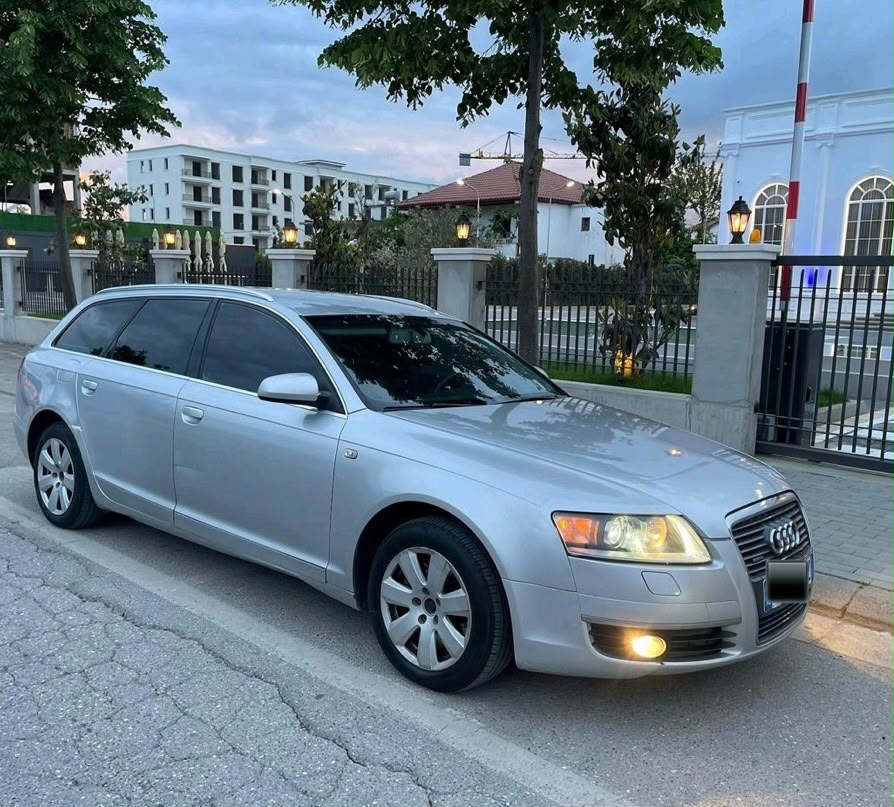
Sometimes the stories that stay with you have nothing to do with the places themselves. Ben and Claire share how a complete stranger in Albania helped them buy a car and quietly challenged everything they thought they knew about trust.
We hadn’t planned to buy a car. When we arrived in Albania, our intention was to fly on to Italy after Croatia. Somewhere along the way, we changed our minds, we wanted the freedom of driving ourselves through this part of Europe instead. So we went looking for a car.
We ended up at a car hire place, and got talking to a man who worked there. He stayed in touch with us afterwards and, over the following days, became the reason the whole thing actually worked.
Why We Decided To Buy A Car
The problem we hadn’t expected
Because Ben doesn’t have Albanian residency, no address, no local connection of any kind, putting the car into his name would have taken a long time to arrange. Long enough that it wasn’t really practical for what we needed. The man helping us had a straightforward solution: register the car in his own name instead, and let us use it.
A stranger offered to help
What he actually did for us
He didn’t just point us toward a car. He helped source it, negotiated the price down by €500 on our behalf, and then arranged everything that followed, the insurance, the green card, the MOT, the service. All of it. When the car wasn’t ready in time for us to leave for Montenegro, he lent us his own car to drive there, then brought ours to us afterwards and took his back. It’s hard to overstate how much trust and effort that represents from someone who had no obligation to us at all.
Why People Thought We’d Made A Mistake
What people online told us
When we mentioned this arrangement publicly, the response from strangers wasn’t warmth, it was warning. We were told we were being naive. One person called us “a mug” outright for handing that much trust to someone we’d only just met, in a country where we had no legal footing to fall back on if it went wrong.
We understand why people said that. It’s the assumption most of us carry when we travel somewhere unfamiliar: trust cautiously, assume the worst, protect yourself first. It’s not an unreasonable instinct. It’s just not what happened to us.
What actually happened
It worked. Completely. We have a car, properly insured and serviced, that we’ve now driven across this stretch of Europe, because one person decided to be genuinely helpful to a family he had no reason to go out of his way for.
The unresolved bit, and why we like that it’s unresolved
The car is still registered in his name, not ours, that part never changed, and legally, it remains his. We’ve talked about what happens when we eventually head back toward the UK: maybe he flies out to collect it and drives it home himself, or maybe we simply give it to him as a thank-you for everything he did. We genuinely don’t know yet. We like that we don’t know yet.
Why this story matters beyond the car
This isn’t really an article about a car. It’s about the gap between the story we’re told to expect from strangers abroad, and the story we actually lived. We’re not suggesting every stranger deserves that level of trust, and we made a judgement call in the moment that could have gone differently. But it didn’t. And we think that’s worth telling honestly, not as a lesson in recklessness, but as a small, real example of what else is possible when you let a situation unfold instead of assuming the worst before it’s even begun.
We could have left this story out because it doesn’t tell you how to deregister your children, budget for travel or take a career break. But it’s one of the moments we’ll remember long after we’ve forgotten which apartment we stayed in or how much the car cost. Sometimes it’s the unexpected kindness of another person that changes the course of a journey. Those stories deserve documenting too.
We still don’t know what will happen to the car. But we know exactly what happened to us. We left Albania believing the world was just a little kinder than we’d been taught to expect.
What else is possible, when the story people warn you about isn’t the story that actually happens?
Related reading: Why We Stopped Planning Ahead · Beyond the Postcard: The Weeks Nobody Documents
Leave a Reply